
|
The
Residents of Altgeld Gardens Have Launched Occupy Altgeld Gardens in
Support
of Occupy the Hood/Wall Street
|
|||||||
|
Worst Food Desert In Chicago Strikes
Back
Update on
OCCUPY ALTGELD - Day 4
"We
have turned around about 300 cars
from
shopping with Rosebud Farm and
we
have stopped about 50 walk-ins
from
shopping at Rosebud Farm."
From Altgeld Gardens
in Chicago, Illinois - This is a protest of
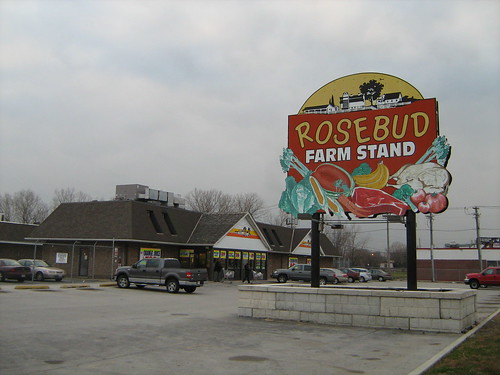
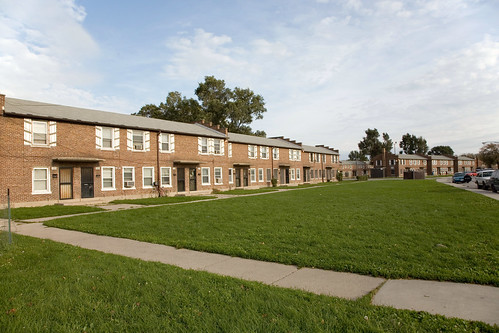
the Rosebud Farm near the Altgeld Gardens Public Housing Community at about
500 East 130th Street in Chicago, Illinois. The current merchants
in Rosebud Farm take advantage of a community described as the worst food
desert in Chicago. The current Rosebud Farm store also services the
residents of Golden Gate, Concordia Park, Riverdale, Dolton and Roseland. The
current Rosebud Farm merchants lease the building from the Corporate Rosebud
Farm who are housed in Indiana. Rosebud Farm products are sold in major food
stores such as Jewels, Dominicks, the now closed Moo & Oink, Pete's,
Ultra etc.
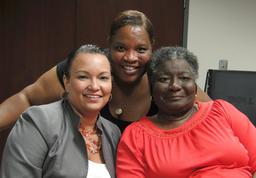
Cheryl Johnson, President of
People for Community Recovery (PCR) is leading the protest,
because neither the Corporate Rosebud Farm President or the current
Rosebud Farm merchant will meet with Cheryl Johnson to discuss the issues of
concern for the residents of Altgeld Gardens. The Occupy Altgeld
Gardens major strategy is to peaceably turn around shoppers from shopping at
the store. This includes providing transportation to people
who walked up and had no transportation to go elsewhere.
A woman who disregarded the protest and shopped at Rosebud Farm was upset after she saw what she paid to shop at the store and she showed the protesters the receipt for the groceries, which included 1 roll of toilet paper for $1.53, 1 gallon vitamin D milk 4.99, 1 jar salad dressing 7.99, a ham butt $30, 1 small pot roast $15, etc. What is even more outrageous is that this merchant refuses to accept WIC certificates, which stands for Women, Infants and Children (a government program to ensure proper nutrition for poor mothers and children). How can a merchant refuse to accept this voucher which is paid for by the government? Why? Because the government is not going to refund the prices they charge for food. Again, this is outrageous and unacceptable, because it forces recipients with the voucher to have transportation to go elsewhere.
The nearest major grocery
store is Food for Less, 142nd Sibley or Ultra or Aldi's at 127th Ashland both
about 3 to 4 miles away. Any stores in-between are probably price
gouging as well.
Late Friday evening, the police came and told protesters that Rosebud Farm reported the protesters were threatening their customers. Occupy Altgeld protestors were asked to disband because they had no permit to protest on public property. The protesters moved to the property across from Rosebud and continued until 8 pm. They did not want to risk being arrested without a plan. Cheryl Johnson is adamant that the protest will continue until the owners sit down at the table to discuss the issues at hand. At various times, there were about 13 protesters present but more protesters are needed. Occupy Altgeld needs help. Occupy Altgeld needs legal advice. Occupy Altgeld needs financial support. Occupy Altgeld needs an action plan to solidify their list of demands with acceptable solutions, and most of all, they need support from all communities in and around Chicago. They plan to march through the holidays. You can help too. Talk to anyone you know who lives in the above areas, participate in the protest, contact Cheryl at PCR, 773.840.4618 (office) to find out how you can help. You don't have to walk all day, but numbers show power and eventually, someone will sit down and talk to them. |
|||||||


Chronically truant students
have long been a source of frustration for teachers and administrators,
but particularly so in the last decade as the number of cases has grown
steadily in Illinois’s public schools.
The issue is most pressing
in Chicago, where 7.4 percent of students, some 30,000, were classified
as chronically truant in 2010-11, having missed nearly one month of
school.
The school report card data released each fall by the
State Board of Education offers reporters an almost unlimited number of
story possibilities.
But we chose to zero in on truancy cases
because the state had pumped tens of millions of dollars into the
problem over the last 10 years, only to see the problem grow by nearly
60 percent. The state blames that surge specifically on the escalating
numbers inside CPS, which have more than doubled over that period.
We
sought to examine the depth of this problem in the Chicago region. We
studied chronic truancy rates for every school in Chicago and the collar
counties. We compared those numbers with previous years going back to
2002. We compared individual school numbers to district and statewide
averages.
You can find all of our school coverage here, and our schools report card data here.
We
interviewed principals in the city and the suburbs, teachers, officials
from the state and regional education offices, and several community
leaders working at the street level to keep kids in school.
What
we found was a largely disorganized effort and few resources to combat
truancy, despite all the millions allocated for it. Chicago alone had
been given about $60 million since the mid 1990s to address its rising
truancy numbers, but spent the money elsewhere.
-- Joel Hood
Join Trib Nation on Facebook for more of the how and why of Tribune journalism.

